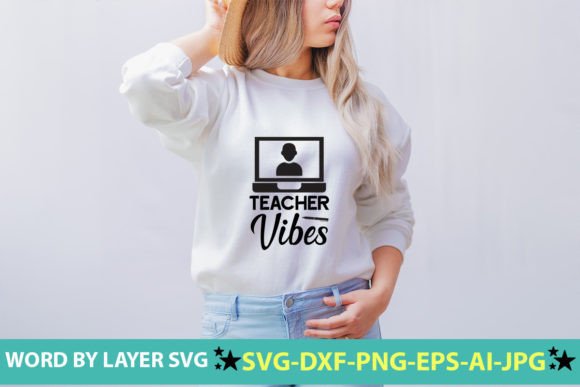
Review: Typography Sublimation Teacher Day SVG for Stitchers
As a designer who spends more time staring at stitch simulations than actual sunlight, I approach every new digital embroidery file with a mix of excitement and skepticism. When I first pulled up the Typography Sublimation Teacher Day SVG, my initial reaction wasn't to imagine it on a t-shirt, as the product description suggests, but to visualize how those clean, bold lines would translate into thread. There is a distinct difference between ink on polyester and thread on cotton, and bridging that gap is where the real art of our craft business lies. This review breaks down how this specific graphic holds up when moved from the screen to the hoop, specifically for those of us creating tangible, handmade products.
First Impressions: Mood and Layout
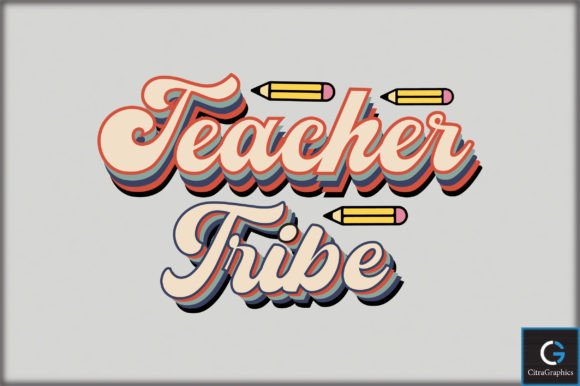
The immediate standout feature of this design is its typographic confidence. In the world of Crafts and Graphics, teacher-themed designs often lean heavily into clichés like apples or oversized pencils. This SVG takes a different route, relying on strong letterforms to carry the message. The layout feels balanced, with a visual personality that screams "modern boutique" rather than "generic craft fair." For an embroidery project, this is promising. Clean typography usually translates well into satin stitches or dense fill stitches, provided the corners are sharp and the spacing is adequate. The mood is professional yet warm, making it an ideal candidate for a personalized gift that a teacher would actually want to wear or display, rather than hide in the back of a closet.
Real-World Application: The Tote Bag Scenario
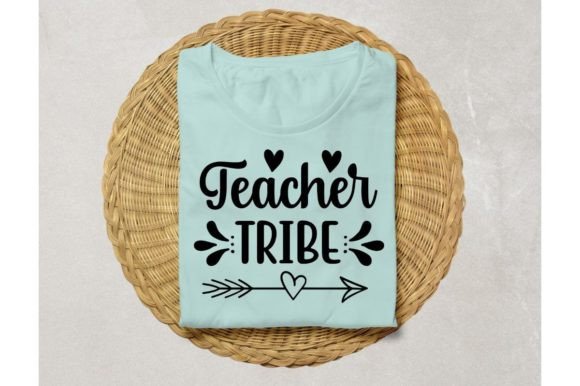
To truly test the viability of this design, I mentally walked through a common request I receive every August: a custom order for a set of teacher tote bags. Imagine using a heavy-duty canvas tote, perhaps in a neutral oatmeal or navy blue. The Typography Sublimation Teacher Day SVG shines here. Because the design relies on text, it offers excellent readability from a distance, which is crucial for a tote bag design that might be carried through a busy school hallway.
If I were stitching this, I would likely opt for a high-gloss rayon thread to mimic the crispness of the original sublimation print. The contrast between the thread and the fabric texture would create a tactile element that sublimation alone cannot achieve. For a small shop product, this added dimension increases the perceived value. Customers are willing to pay a premium for the depth and texture of embroidery over a flat print. However, one must be careful with the scale. On a tote, you have room to breathe, but ensuring the negative space between letters doesn't get swallowed by the weave of the canvas is essential.
Versatility Across Products
Beyond tote bags, this graphic is versatile enough for various custom apparel items. It would look fantastic centered on the chest of a unisex sweatshirt, offering a cozy, spirited look for faculty lounges. For baby embroidery projects, such as a onesie for a "teacher's pet" or a classroom helper, the design might need significant scaling down. This is where we must exercise caution. Tiny lettering can easily become a blob of thread if the stitch density is too high or if the fabric is too stretchy. While the SVG format allows for infinite resizing, the physics of thread does not. I would recommend this design more for adult-sized garments or larger home decor items like pillow covers rather than intricate baby clothes unless you have a machine capable of extremely fine detail work.
Technical Considerations for Embroiderers
Since this is marketed primarily as a sublimation asset, using it for machine embroidery requires some technical forethought. You are essentially converting a print-ready vector into a stitch-ready path. Here are the critical factors to consider before hooping up:
- Hoop Size Constraints: Check the aspect ratio of the text. If the phrase is long and horizontal, ensure your machine's largest hoop can accommodate it without needing to split the design, which can lead to alignment issues.
- Fabric Texture and Stability: Textured fabrics like pique polo shirts or waffle knits can distort fine typographic details. Always use a high-quality cut-away stabilizer to prevent the fabric from puckering under the weight of the thread, especially with dense fill areas.
- Thread Colors: The original design likely uses specific CMYK values for sublimation. When switching to thread, you may not find an exact match. Test your thread colors against the fabric background first. High contrast is key for typography; avoid low-contrast combinations that make the text hard to read.
- Corner Sharpness: Typography lives and dies by its corners. If you are digitizing this yourself or adjusting an auto-digitized version, pay close attention to the pull compensation. Without it, sharp angles in letters like 'A', 'V', or 'W' can round off, losing the design's intended crispness.
Where to Use Caution
While the design is robust, it is not without limitations. Avoid using this on dark fabrics unless you plan to incorporate an underlay or a backing patch, as standard embroidery threads are not opaque enough to completely hide dark backgrounds, potentially muting the vibrancy of the message. Additionally, curved surfaces like caps present a challenge. The distortion inherent in cap framing can warp straight lines of text, making the typography look wavy or uneven. For a holiday embroidery gift or a wedding gift where presentation is everything, stick to flat surfaces like aprons, kitchen towels, or structured tote bags where the design can sit perfectly flush.
Enhancing Brand Value and Customer Trust
For Etsy sellers and creative entrepreneurs, the choice of design directly impacts brand perception. Using a well-thought-out typographic design like this signals professionalism. It tells the customer that you care about legibility and style. A finished product featuring clean, well-executed text builds trust. It suggests that if you paid attention to the font choice, you likely paid attention to the stitch quality too. This attention to detail transforms a simple item into a memorable handmade product. Furthermore, because the design is timeless rather than trend-heavy, it ensures that your printable mockup portfolios and physical inventory remain relevant season after season.
Final Designer Notes
Before committing to a production run, always stitch out a sample on scrap fabric identical to your final material. This "test drive" allows you to inspect small details and confirm that the running stitch outlines or fill patterns behave as expected. Since the licensing terms for converting a sublimation SVG to embroidery can vary, double-check the creator's policy on commercial use for stitched goods. Assuming the license permits it, this Typography Sublimation Teacher Day SVG is a strong contender for your library of design assets. It bridges the gap between digital graphics and tactile art, offering a fresh take on a classic theme. With the right stabilizer, thread choice, and fabric pairing, it has the potential to become a best-seller in your autumn collection.